
Heel Pain
Heel pain is one of the most common reasons people visit a podiatrist. Whether your pain is worst with the first few steps in the morning, after sport, or following a long day on your feet, we'll identify the underlying cause and develop a personalised treatment plan to help you move comfortably again.
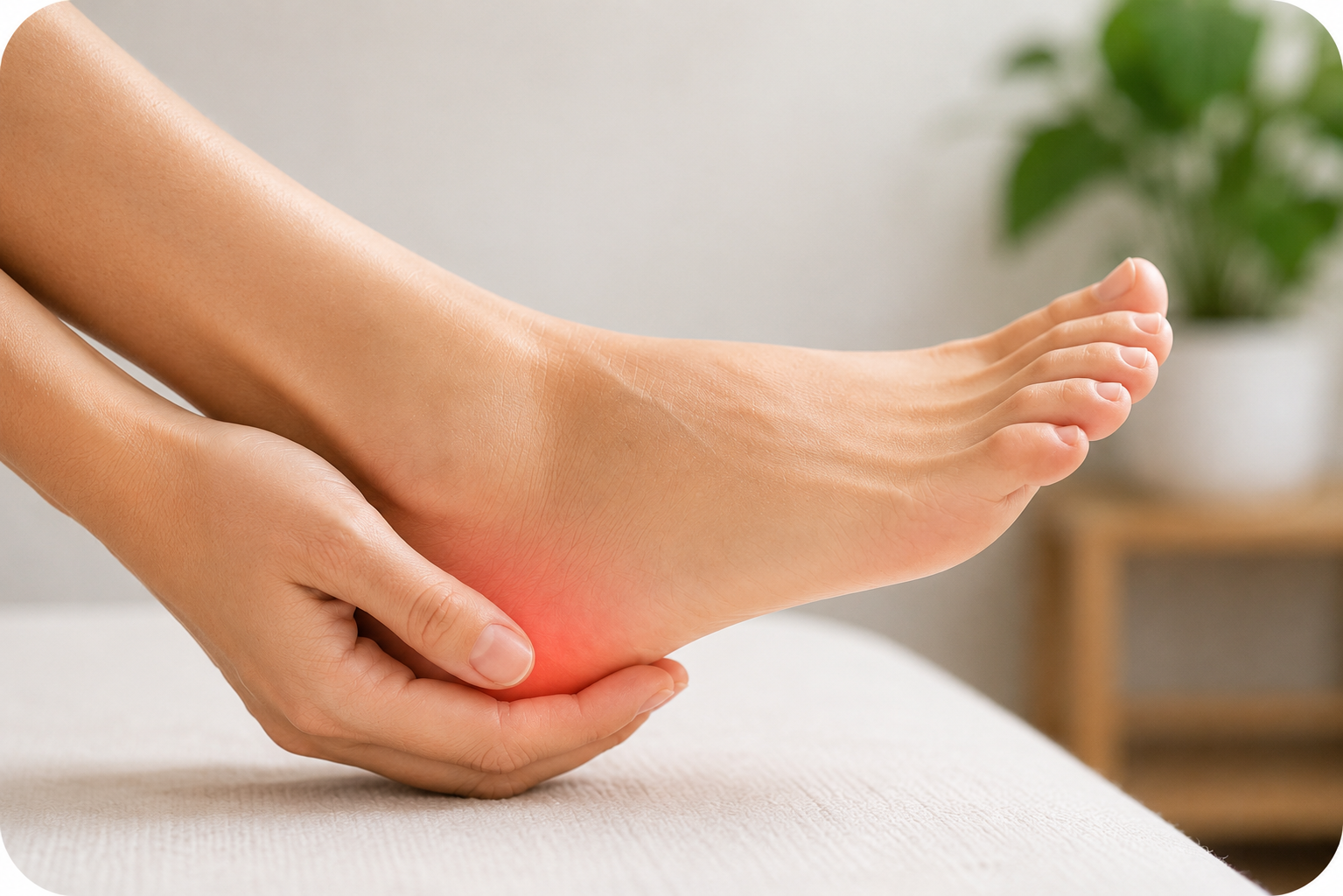
✔️ My first few steps in the morning are painful
✔️ It hurts after I've been sitting for a while, then eases as I walk
✔️ Standing at work makes my heel ache
✔️ Walking barefoot on hard floors is uncomfortable
✔️ I enjoy walking or running, but my heel is sore afterwards
✔️ I've tried stretching, massage or new shoes, but the pain keeps coming back
✔️ I'm starting to limp or change the way I walk because of the pain
✔️ I'm starting to limp or change the way I walk because of the pain
✔️ My heel is burning and I have shooting pains
✔️ My heel hurts at night
Is your pain like this?
Many people with heel pain experience similar symptoms. If you've recognised one or more of these, the next step is understanding why your heel is painful.
Heel pain isn't a diagnosis—it's a symptom. Several different conditions can cause pain around the heel, and while they may feel similar, the most effective treatment depends on identifying the underlying cause.
At Renew Podiatry, we take the time to assess your symptoms, examine your foot and lower limb, and determine what's contributing to your pain before recommending a personalised treatment plan.
Heel pain is often assumed to be plantar fasciitis, but several different conditions can produce similar symptoms. That's why a thorough assessment is important before deciding on treatment.
Understanding the cause of your heel pain
-
Plantar Fasciitis (also known as Plantar Fasciopathy) is the most common cause of pain beneath the heel. It develops when the plantar fascia becomes overloaded, resulting in pain and structural changes within the tissue.
A heel spur is a common finding on X-rays and often develops over time in response to repeated loading where the plantar fascia attaches to the heel. Many people with heel spurs have no pain at all, while others experience heel pain without having a spur. For this reason, we focus on identifying which tissues are actually responsible for your symptoms rather than treating the X-ray finding alone.
-
Achilles tendinopathy affects the large tendon that connects your calf muscles to your heel. It commonly develops when the tendon is overloaded, particularly in people who run, play sport, or have recently increased their activity levels.
Symptoms often include pain or stiffness at the back of the heel, especially first thing in the morning or after exercise. The tendon may also feel tender or appear thickened.
A comprehensive assessment helps distinguish Achilles tendinopathy from other causes of heel pain.
-
Heel fat pad syndrome occurs when the cushioning beneath the heel becomes irritated or loses its ability to absorb shock effectively. It is a common cause of pain directly underneath the heel and is often mistaken for plantar fasciitis.
People frequently describe a deep, bruised sensation that worsens when standing for long periods, walking barefoot on hard floors or after high-impact activities.
Although it can feel similar to plantar fasciitis, heel fat pad syndrome requires a different management approach.
-
Heel bursitis is caused by inflammation of one of the small fluid-filled sacs (bursae) around the heel. It may develop from repeated pressure, friction, footwear irritation or overuse.
Pain is usually felt at the back of the heel and may be accompanied by tenderness, swelling or redness. Certain shoes may aggravate symptoms.
-
A calcaneal stress fracture is a small crack in the heel bone caused by repetitive loading rather than a single injury. It is more common in runners and people who have recently increased their activity levels.
Symptoms usually develop gradually and become progressively worse with walking or exercise. Unlike many other causes of heel pain, the pain often persists even after resting and may be difficult to pinpoint.
If a stress fracture is suspected, an MRI is usually the preferred scan because it can detect bone stress injuries earlier than X-rays.
-
Several nerves around the heel can become irritated or compressed, including Baxter's nerve and branches of the tibial nerve. This may cause heel pain that feels different from plantar fasciitis.
Symptoms can include burning, tingling, numbness, sharp pain or discomfort that radiates into the arch or heel. Some people notice pain that is worse after prolonged standing or walking.
-
Sever's disease is one of the most common causes of heel pain in growing children and adolescents. It occurs when the growth plate at the back of the heel becomes irritated during periods of rapid growth, particularly in active children involved in running and jumping sports.
Children often complain of pain during or after sport, may limp, or avoid activities because of discomfort.
Heel pain isn't a diagnosis—it's a symptom. The first step is identifying exactly which structure is causing your pain so treatment is targeted and effective.
How we diagnose the cause of your heel pain

History review
We start by listening.
We'll discuss:
When your heel pain began
Where it hurts
What activities make it better or worse
Previous injuries or treatment
Your work, sport and lifestyle
Understanding your symptoms helps us narrow down the possible causes before we examine your foot.
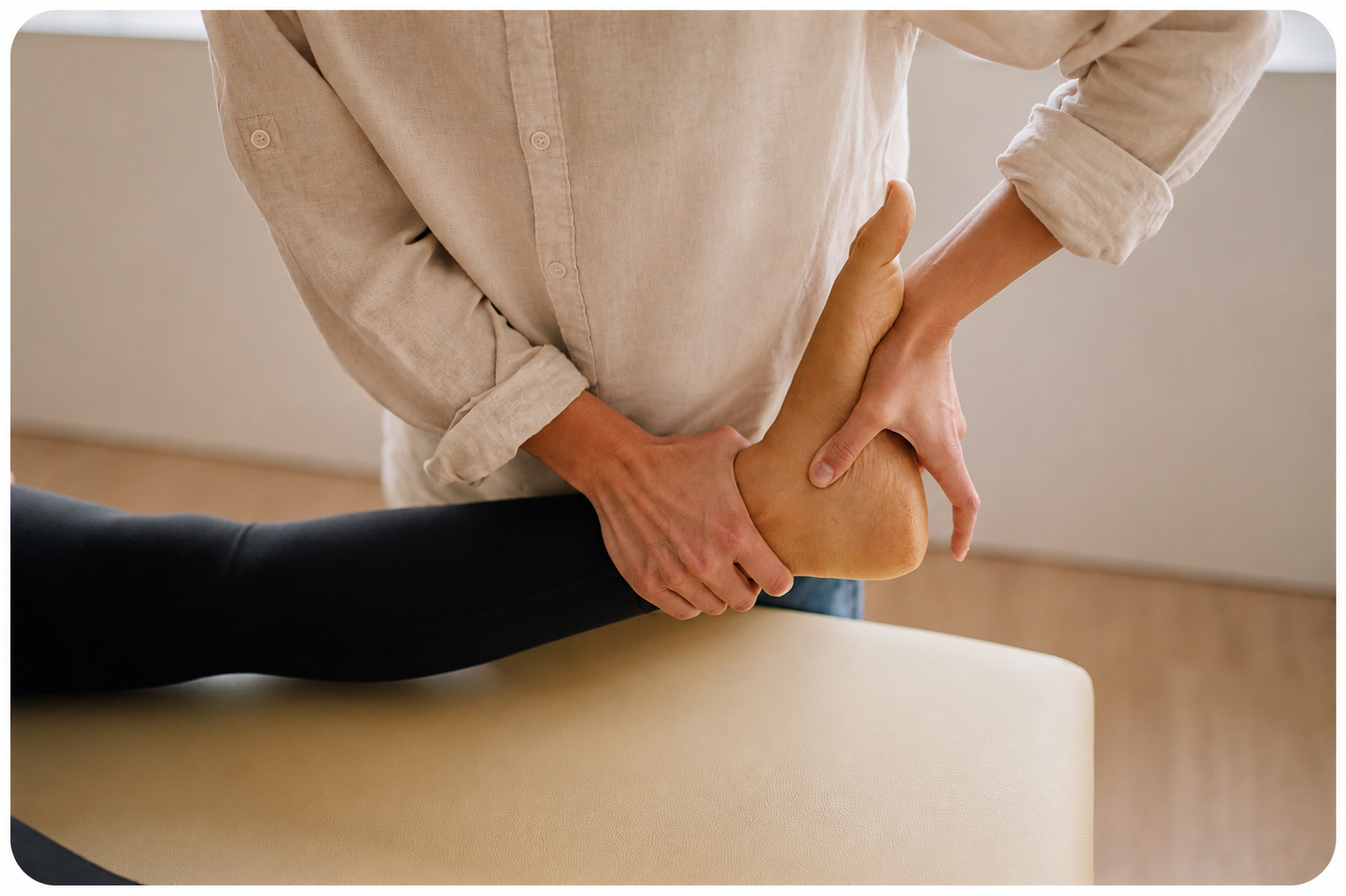
Clinical examination
A thorough assessment of your foot and ankle
We assess:
Joint movement
Muscle strength
Flexibility
Foot alignment
Hip, knee and lower limb alignment
These findings help determine which structures are responsible for your pain.
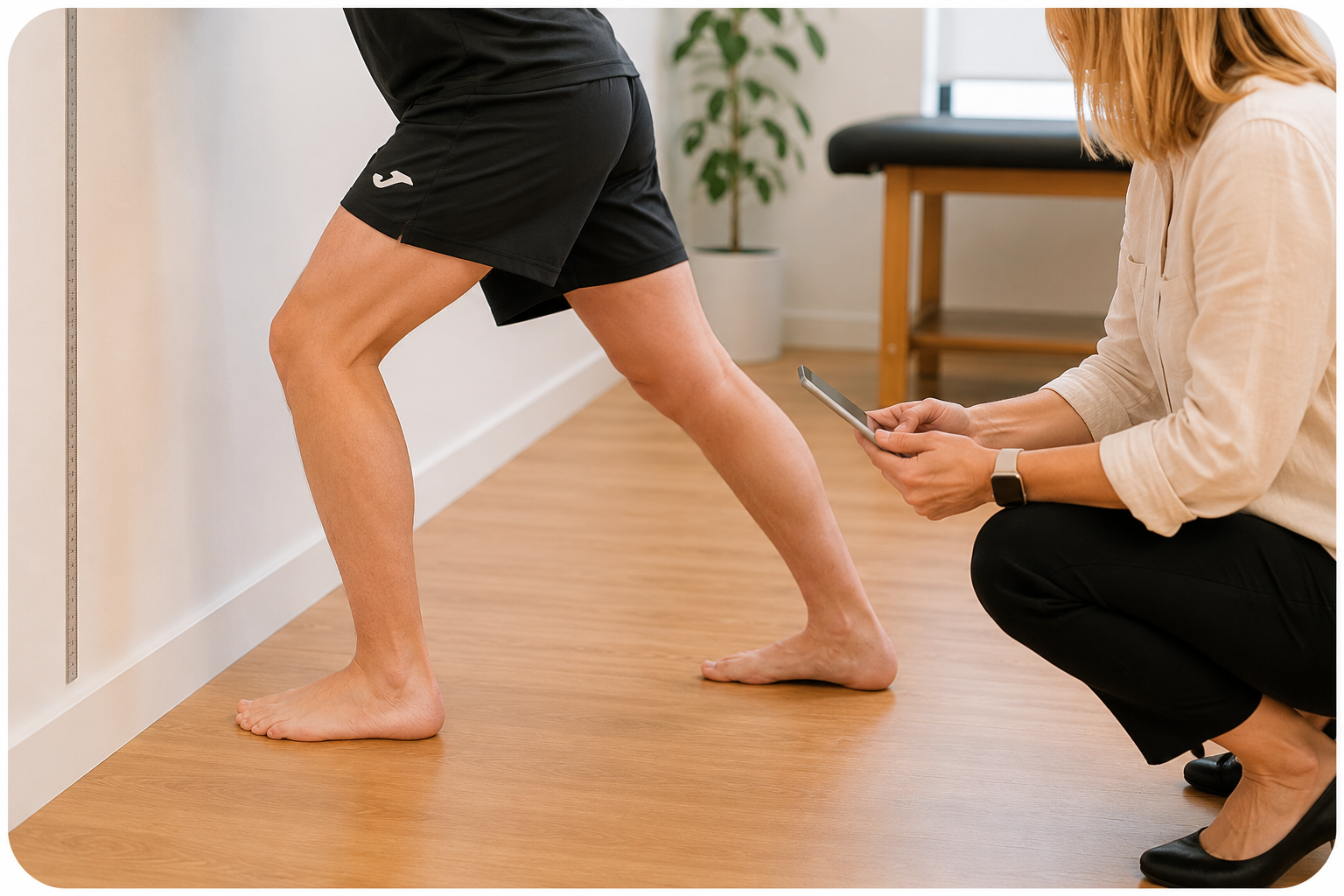
Movement assessment
Assessing how your foot and lower limb function.
We observe:
Range of motion
Calf flexibility
Achilles tendon function
Balance and stability
Hip and lower limb function
Heel pain is often influenced by the way your foot and ankle move, how they respond to load, and how your hip and lower limb function together.

Walking and gait analysis
Watching how you move.
The way you walk can place extra stress on the heel. We assess:
Walking pattern
Foot loading
Balance
Limb alignment
Biomechanics
Where appropriate, treadmill gait analysis and pressure plate analysis may also be used.
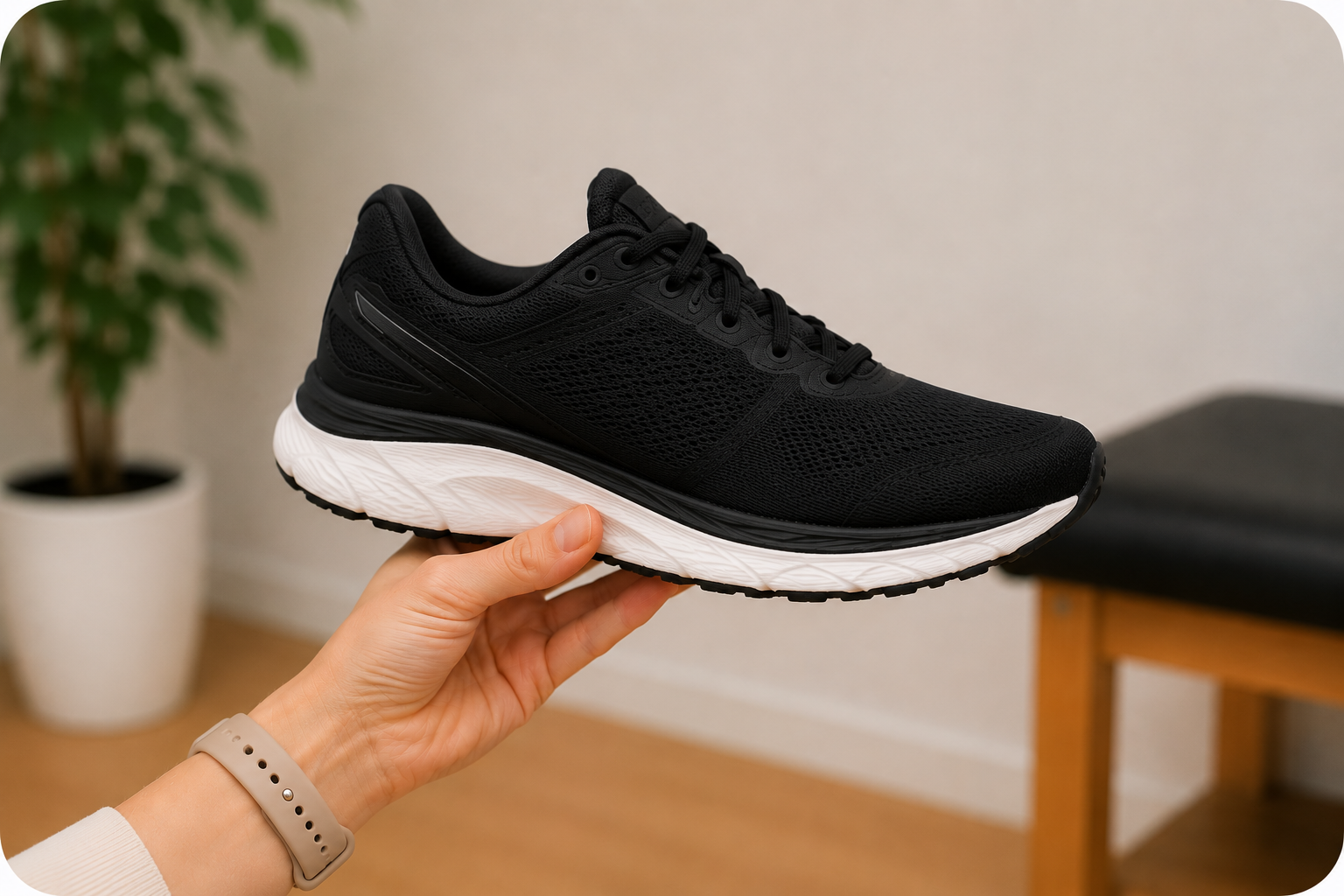
Footwear assessment
Your shoes matter.
Footwear can significantly influence heel pain. We assess:
Shoe type
Cushioning
Stability
Wear patterns
Suitability for your foot type and activity
Sometimes a simple footwear change can make a significant difference.
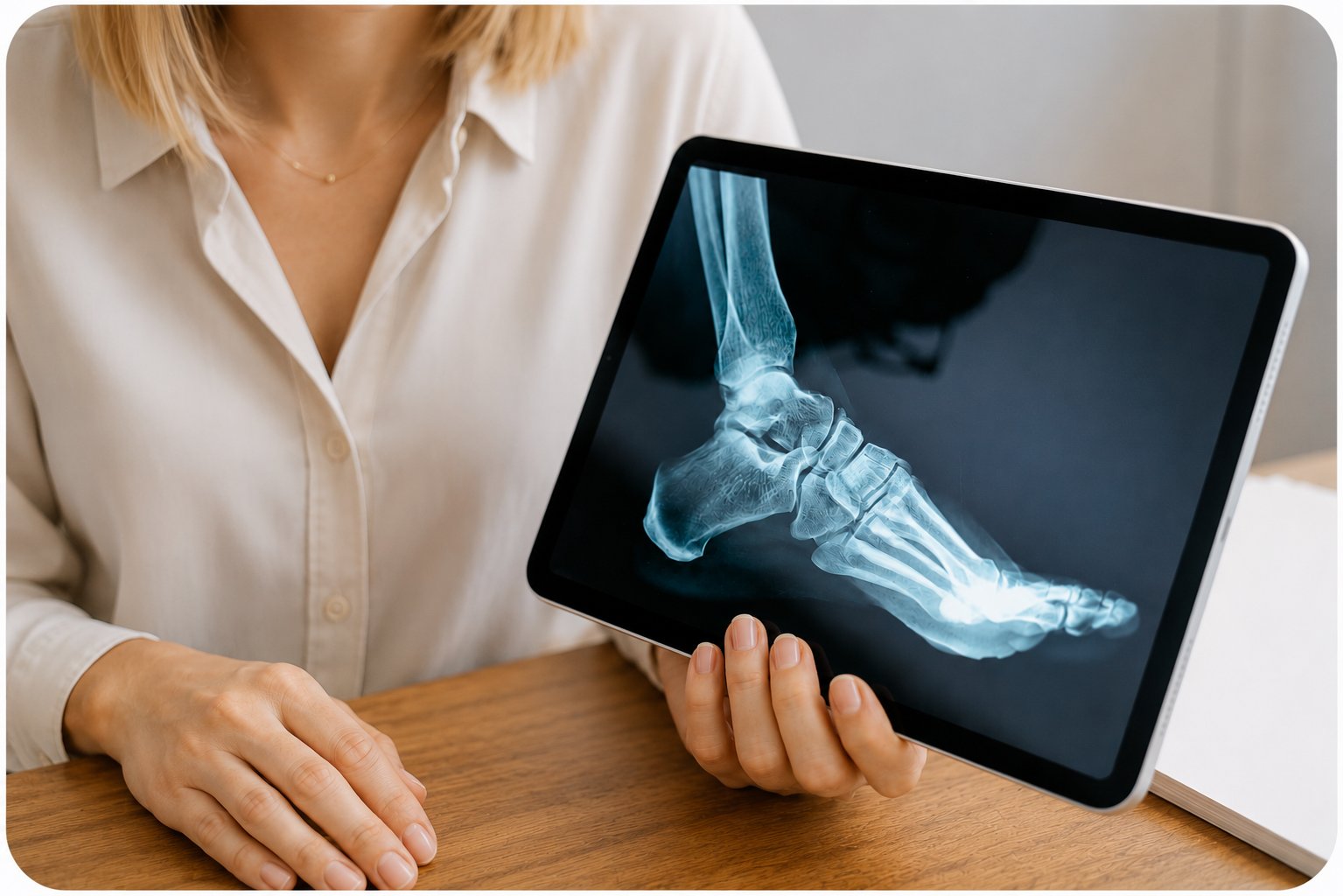
Imaging (when required)
Only if clinically indicated.
Most cases of heel pain can be diagnosed without scans. However, if we suspect a stress fracture, tendon injury or another less common condition, we may recommend imaging such as:
X-ray
Ultrasound
MRI
This ensures an accurate diagnosis before treatment begins.
Once we've identified the cause of your heel pain, we'll explain your diagnosis in clear, easy to understand language and develop a treatment plan designed specifically for you.
Treatment options for your heel pain
Depending on your condition, treatment may include:
Education and activity modification
Footwear modifications and shoe recommendations
Personalised rehabilitation program
Strengthening and stretching exercises if needed
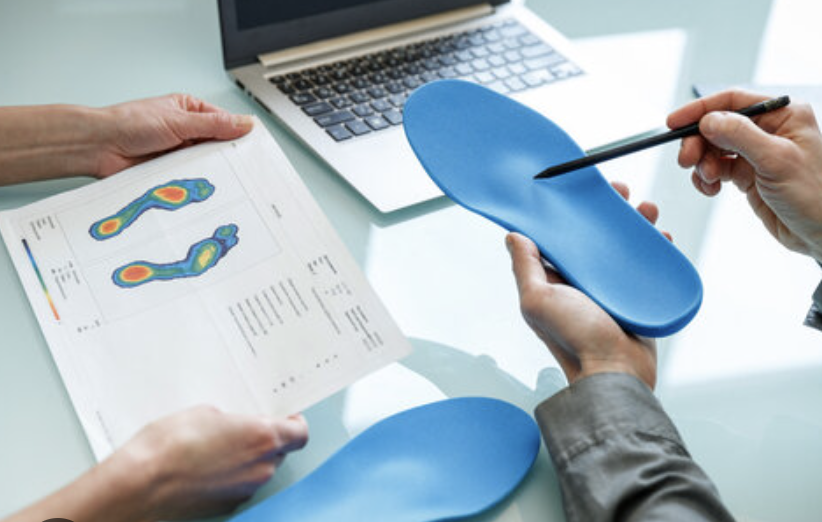
Custom foot orthoses or prefabricated orthotics, where clinically indicated
Taping and padding
Heel lifts or heel cups
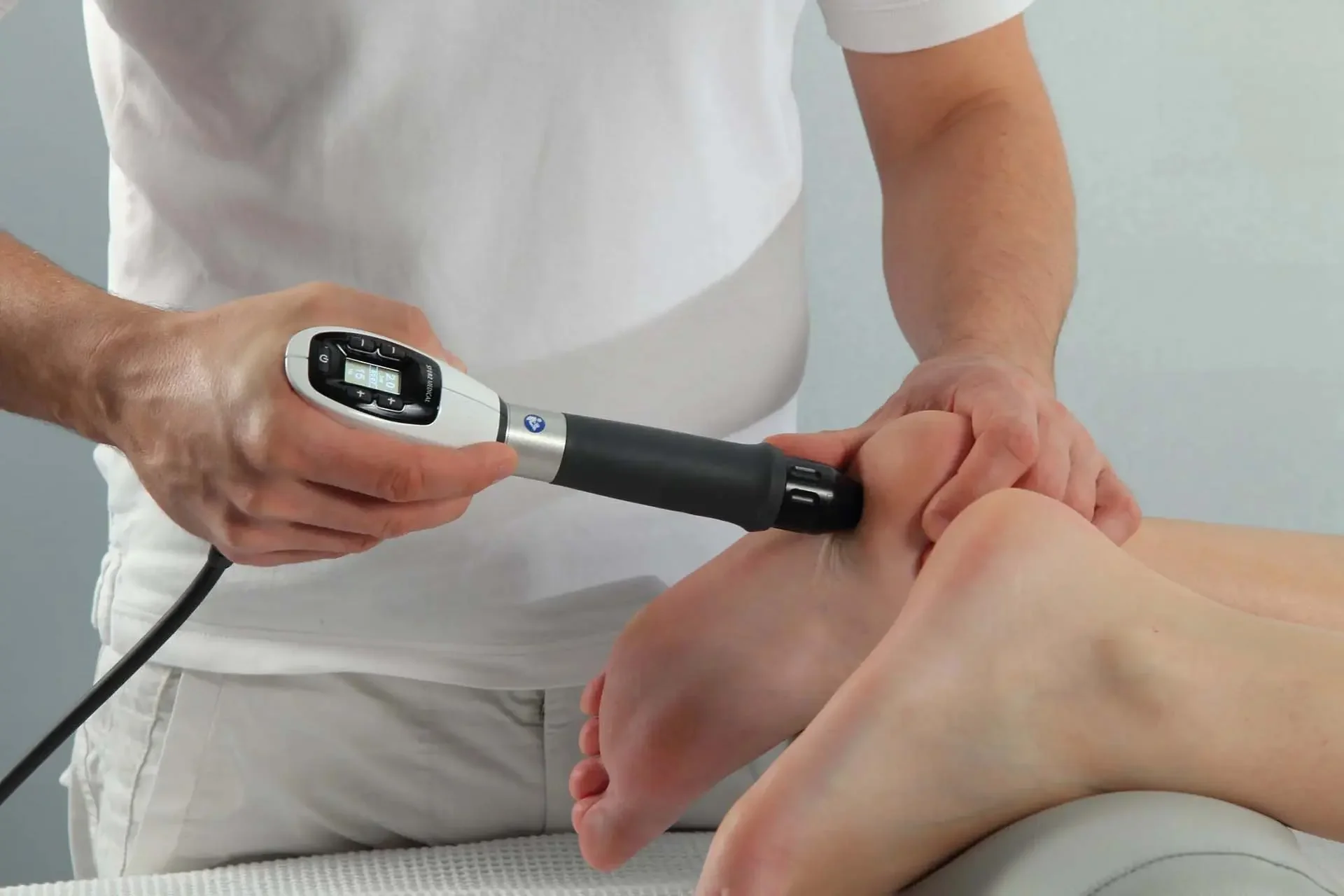
Shockwave therapy
Dry needling
Manual therapy and joint mobilisation
Gait retraining
Load management and return-to-sport planning
Imaging or referral when clinically indicated
Evidence-based. Individualised treatment.
Heel pain doesn't have to limit your daily activities. We'll identify the cause of your symptoms and recommend the most appropriate treatment for your individual needs.