
Initial Pain & Musculoskeletal Assessment
A thorough assessment to identify the cause of your pain
Foot, ankle and lower limb pain can have many different causes. Rather than simply treating where it hurts, we'll take the time to understand why your symptoms have developed.
Your initial appointment includes a comprehensive assessment to identify the underlying cause of your pain and develop a treatment plan tailored to your goals, lifestyle and activity level.

Your assessment may include
✔️ Discussion of your symptoms and medical history
✔️ Foot, ankle and lower limb examination
✔️ Joint and muscle assessment
✔️ Range of movement and strength testing
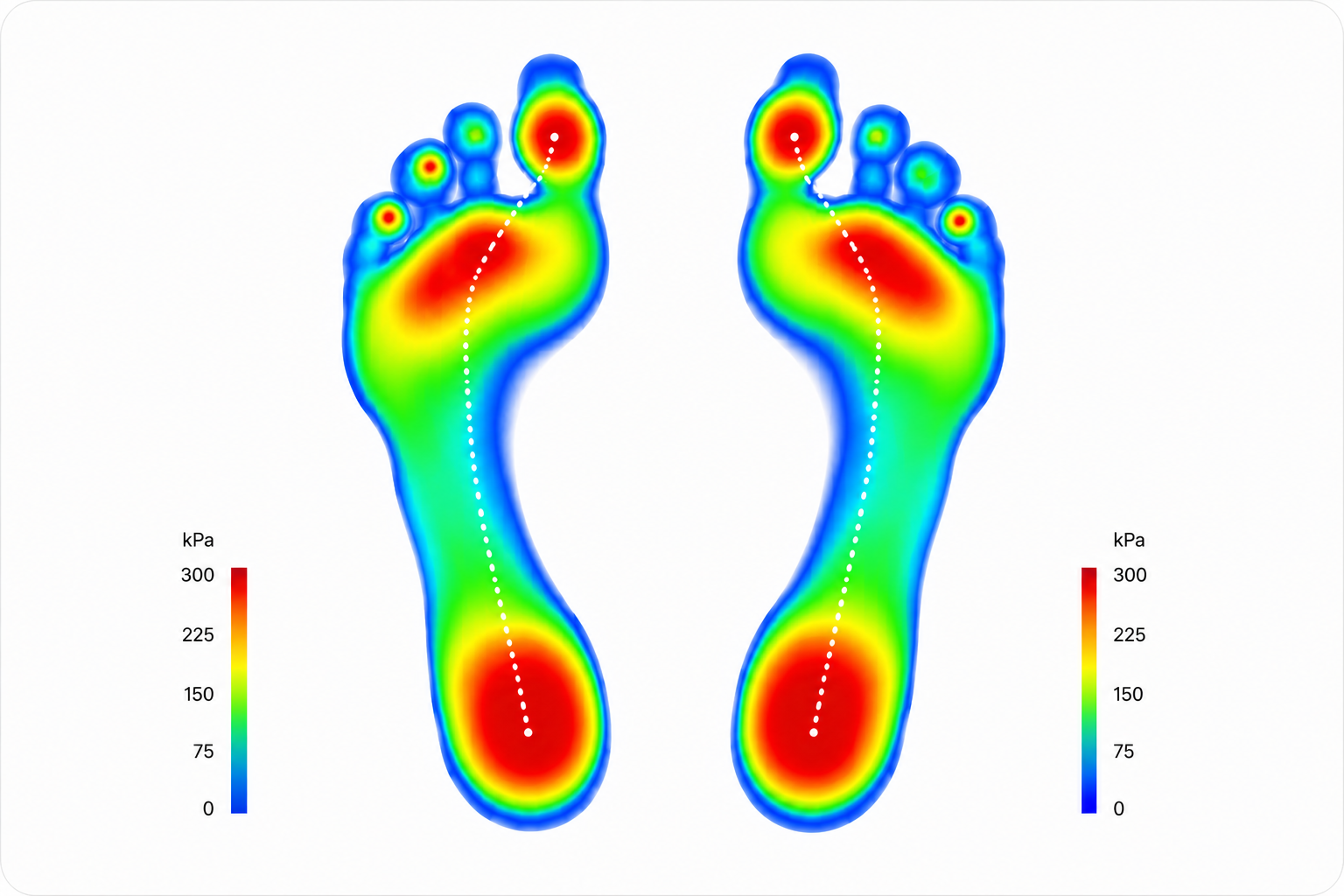
✔️ Walking and gait assessment
✔️ Footwear assessment
✔️ Video gait analysis
✔️ 3D foot scanning (if required)
✔️ Discussion of treatment options
We commonly assess
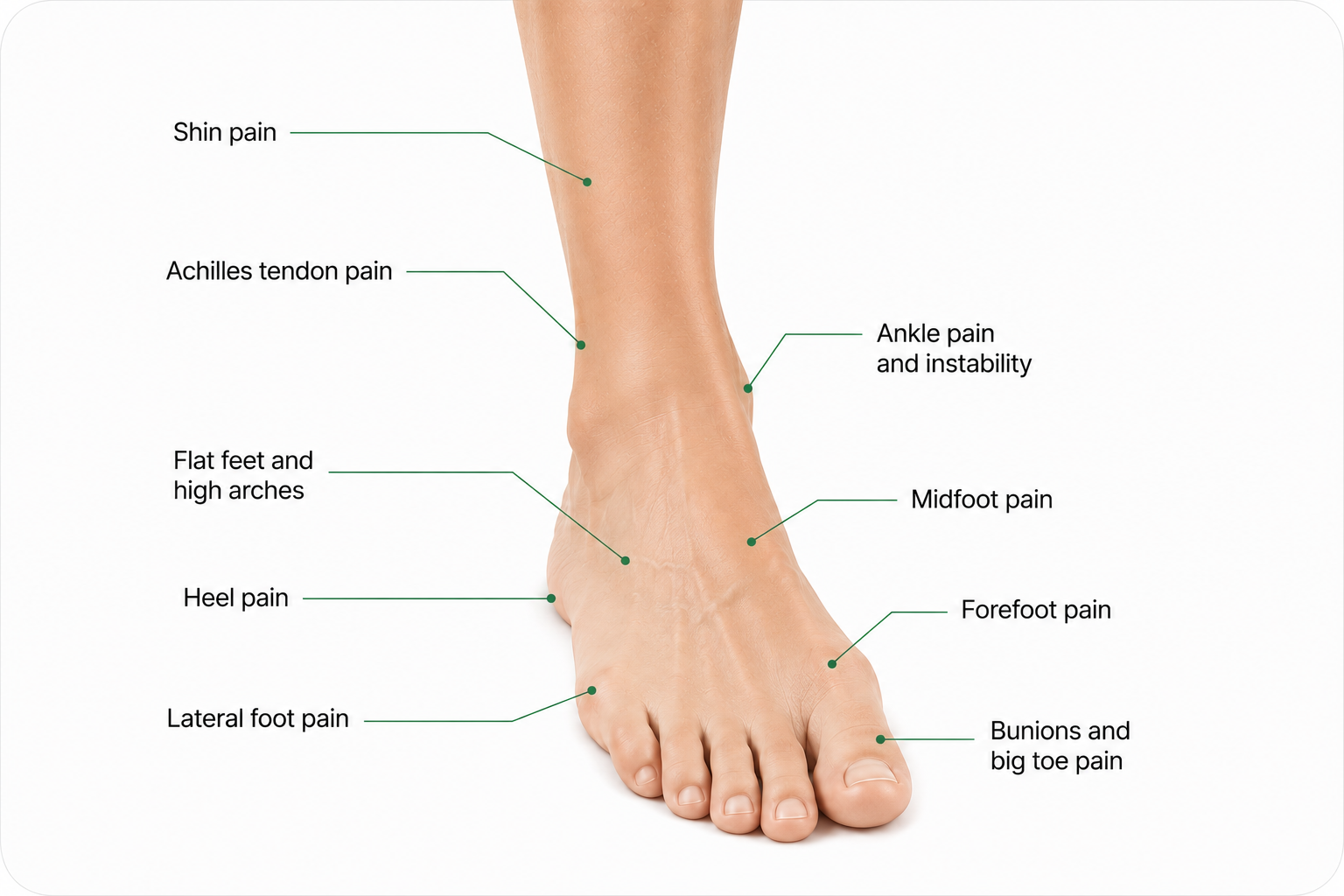
✔️ Heel pain
✔️ Achilles tendon pain
✔️ Forefoot pain
✔️ Bunions and big toe pain
✔️ Ankle pain and instability
✔️ Shin pain
✔️ Flat feet and high arches
✔️ Running and sporting injuries
✔️ Children's foot and lower limb concerns
Treatment may include
Depending on your diagnosis, treatment may include:
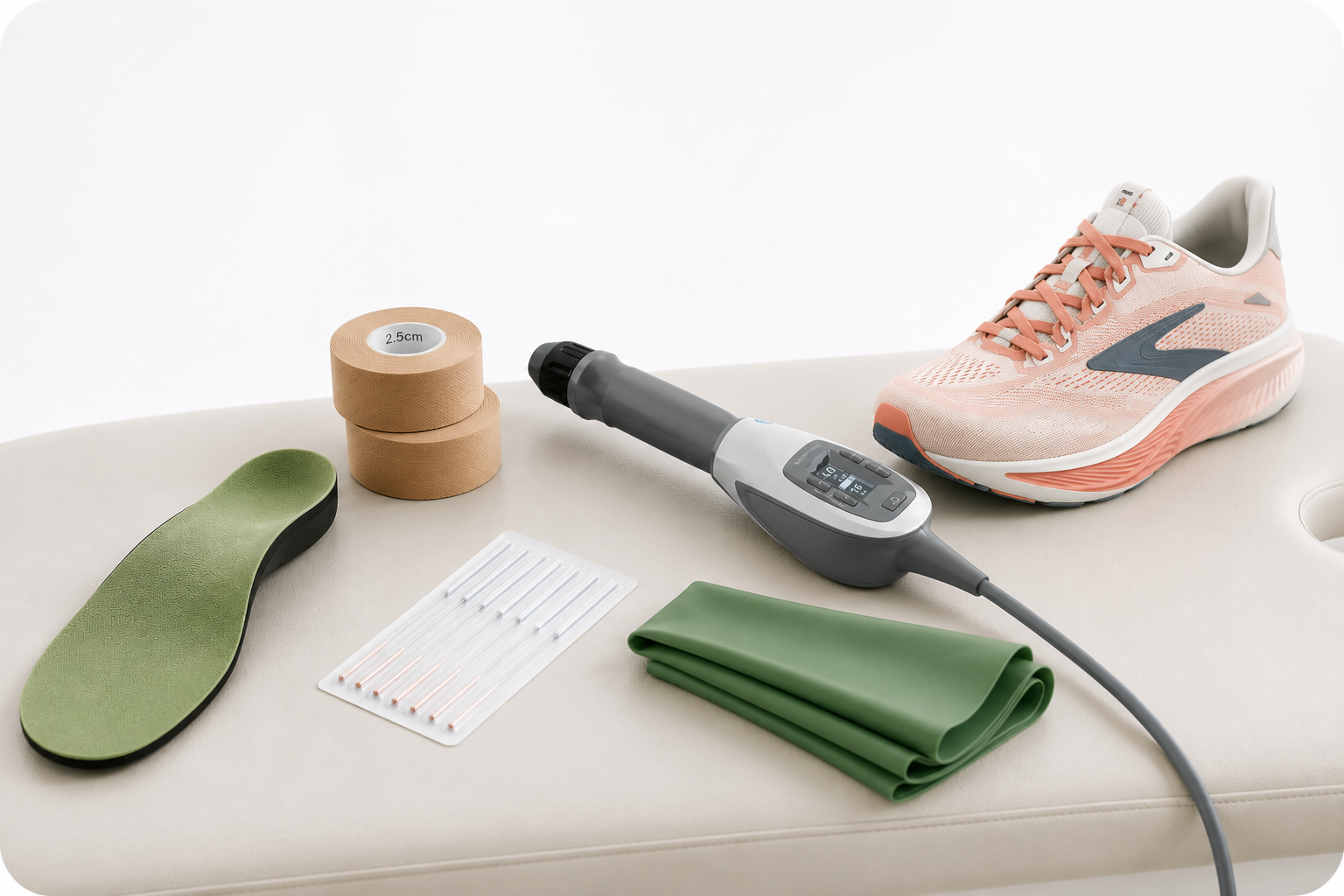
Personalised exercise program
Footwear advice
Taping or padding
Dry needling
Shockwave therapy
Orthotic therapy
Activity modification
Referral for imaging or specialist opinion where indicated
Why a comprehensive assessment matters
Pain is often felt in one area but caused by problems elsewhere in the foot or lower limb.
A detailed assessment helps identify contributing factors such as joint stiffness, muscle weakness, altered foot mechanics, footwear, training errors or overuse, allowing treatment to focus on the underlying cause rather than simply relieving symptoms.
FAQS
-
Where appropriate, yes. Many patients receive treatment during their initial visit. If further assessment, imaging or a more specialised treatment plan is required, we'll discuss the next steps with you.
-
No. Most patients can book directly without a referral.
-
Yes. Please bring the shoes you wear most often for work, exercise or everyday activities, as they can provide valuable information during your assessment.
-
Not necessarily. Orthotics are recommended only when they're likely to provide a meaningful benefit as part of your overall treatment plan.
Whether you're dealing with a recent injury or persistent foot, ankle or lower limb pain, we'll work with you to identify the cause and help you return to the activities you enjoy.