
Shockwave
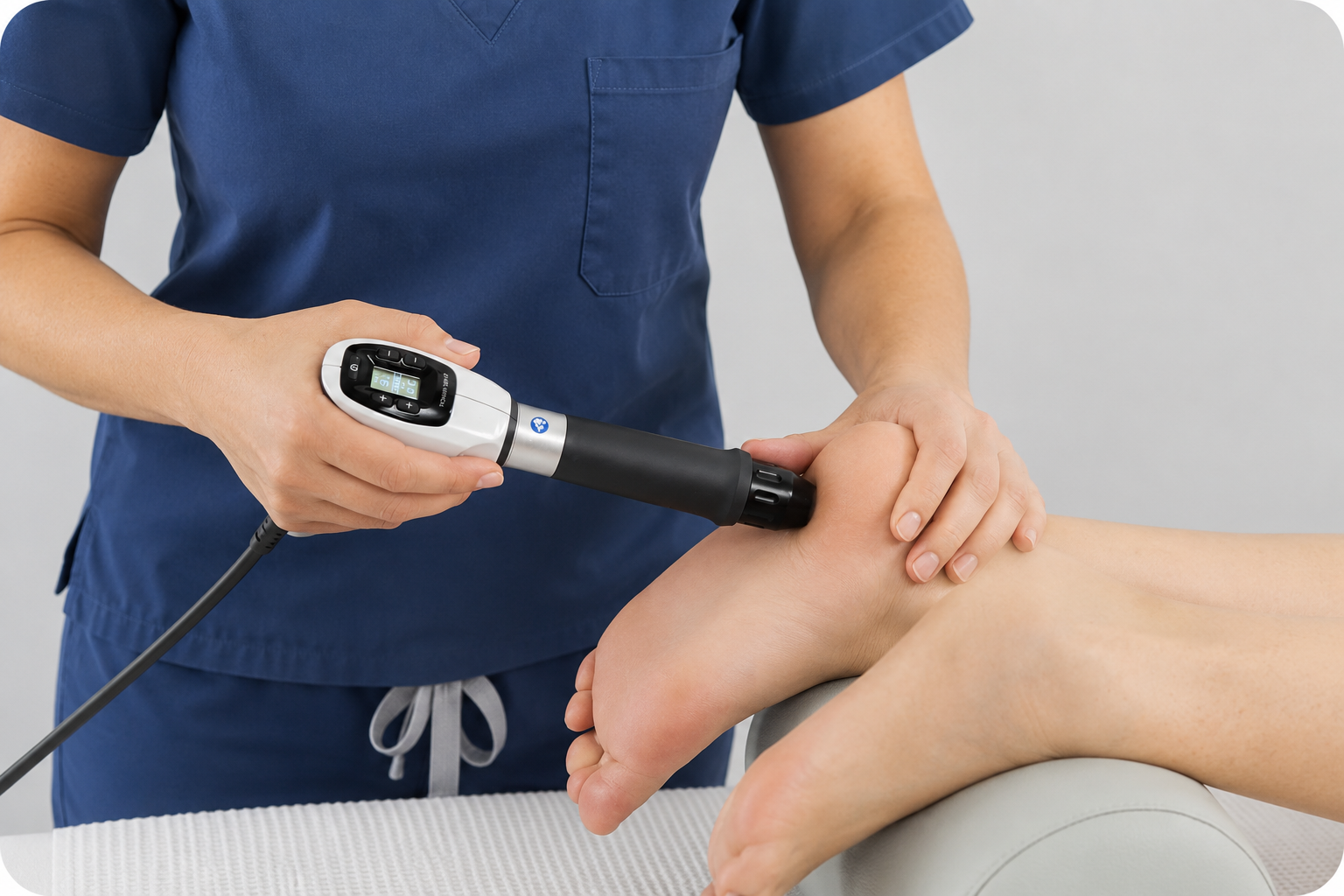
Shockwave therapy (also called Extracorporeal Shockwave Therapy – ESWT) uses short bursts of high-energy acoustic waves delivered to injured tissue.
Unlike ultrasound, shockwave is not designed to heat tissues. Instead, these acoustic waves create a controlled mechanical stimulus that encourages the body's natural repair processes.
Shockwave is most effective for long-standing tendon and fascia conditions that have failed to improve with rest, exercises or other conservative treatments.
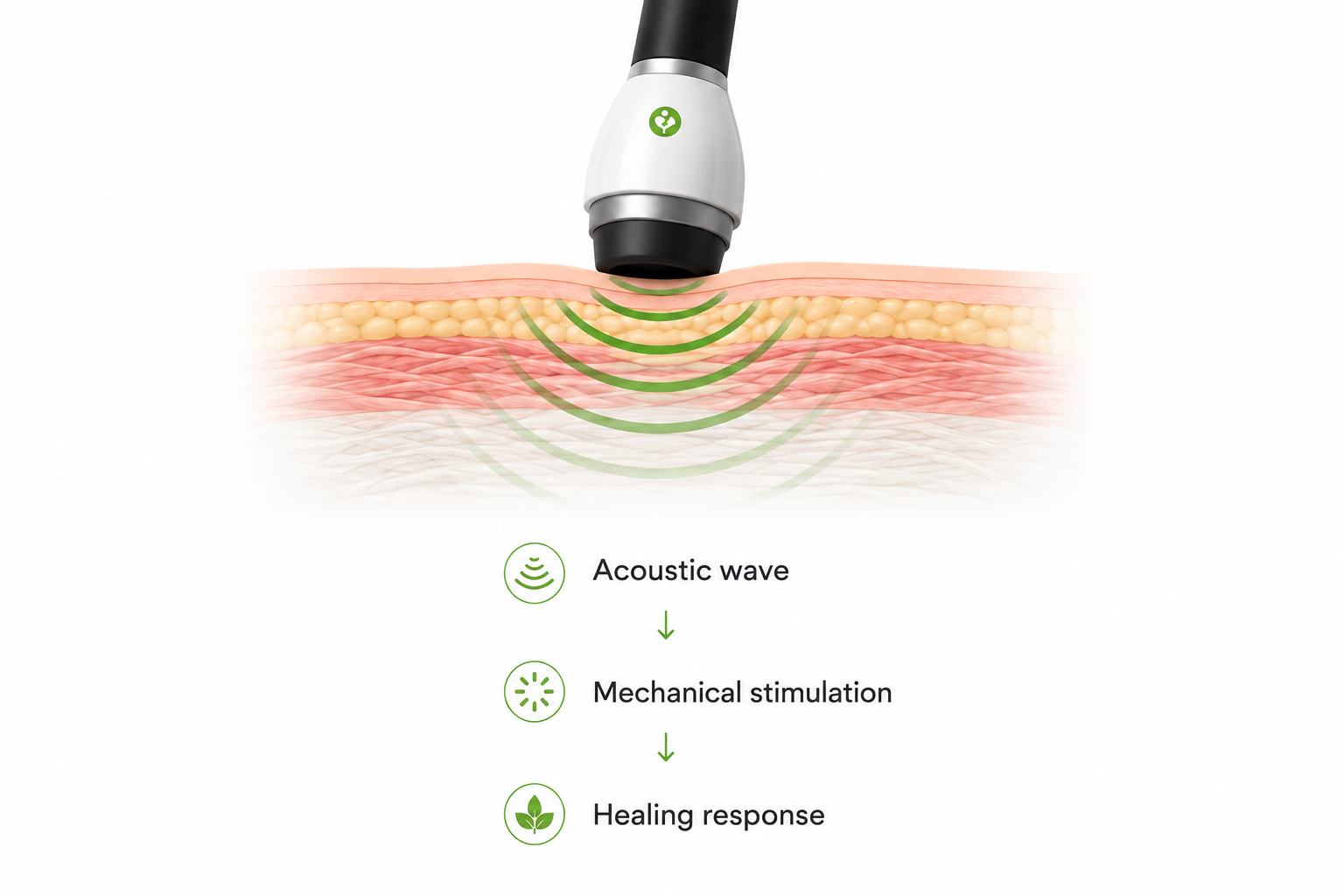
How does shockwave encourage healing?
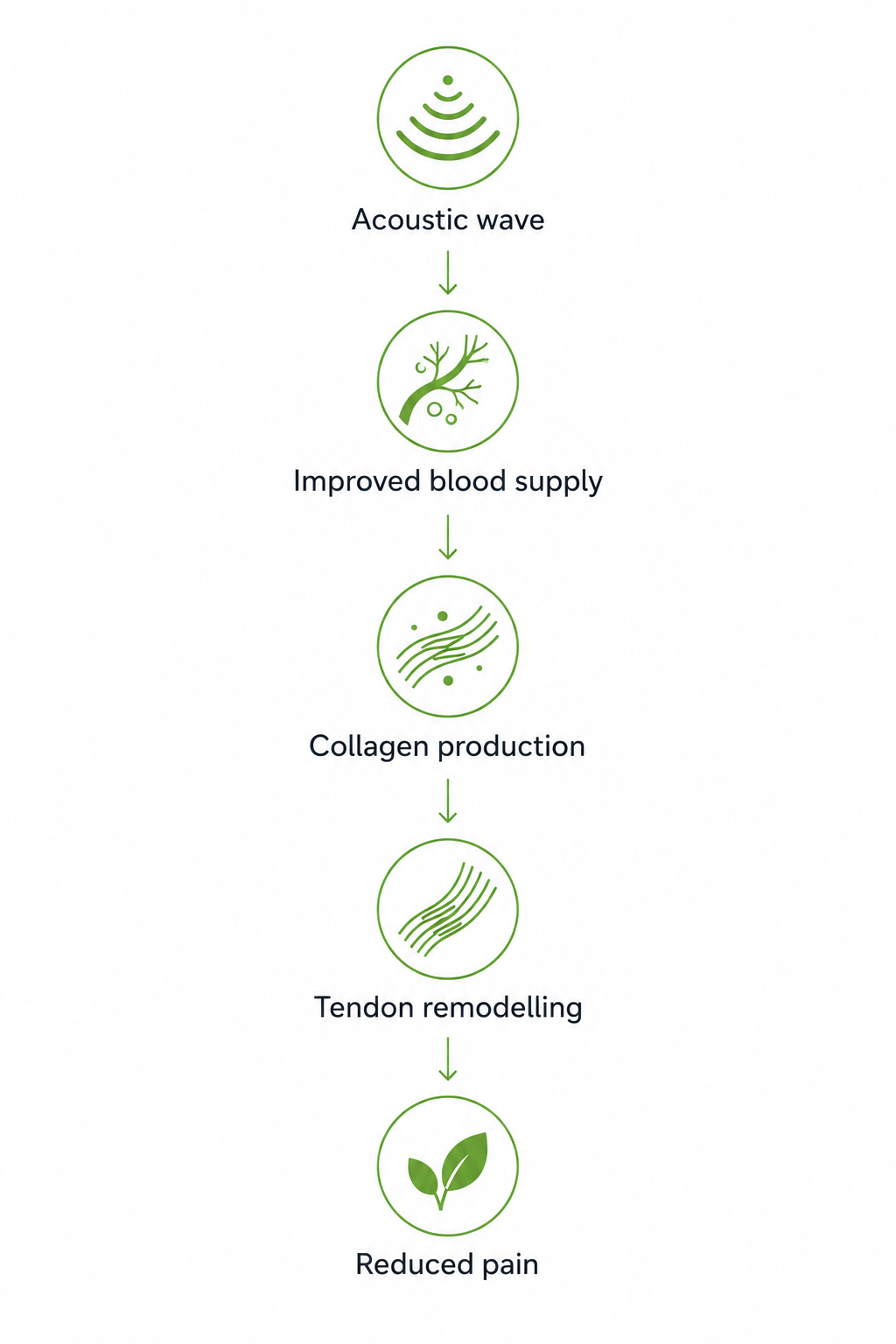
Research suggests shockwave may:
✔️ stimulate new blood vessel formation (neovascularisation)
✔️ increase local circulation
✔️ stimulate tendon cell activity
✔️ encourage collagen production
✔️ improve tendon remodelling
✔️ reduce pain sensitivity by altering pain signalling
✔️ help restart healing in chronic degenerative tissue
Rather than masking pain, shockwave aims to stimulate the body's own repair mechanisms.
Is shockwave right for me?
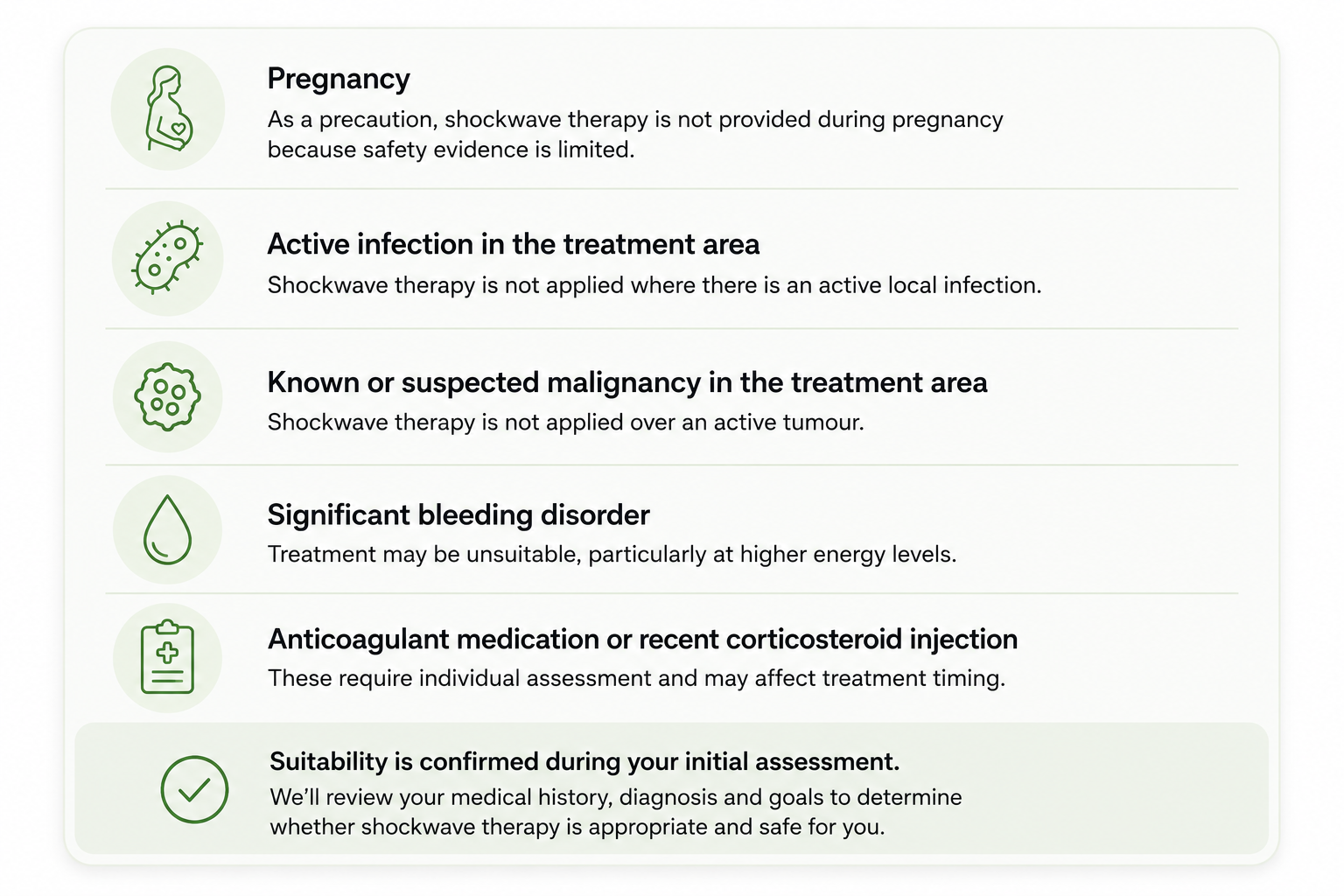
Shockwave therapy is not suitable for every condition or every stage of injury. An initial assessment is always required to determine whether it is the most appropriate treatment for you.
During your appointment, we'll confirm your diagnosis, assess the stage and severity of your injury, and determine whether current evidence supports the use of shockwave therapy for your condition.
If shockwave therapy is recommended, it is usually combined with a personalised rehabilitation program. Depending on your condition, this may include strengthening exercises, stretching, footwear advice, orthotic therapy and activity modification. This combined approach provides the best opportunity for a successful outcome.
When shockwave therapy may not be suitable
How many treatments will you need?
Most patients require a course of 3–6 treatments, typically performed once a week.
Improvement is often noticed within 2–4 weeks, with healing and symptom relief continuing for up to 12 weeks after treatment as the body's natural repair processes progress. The number of treatments recommended will depend on your diagnosis, the duration of your symptoms and your individual response to treatment.
Does shockwave hurt?
Most patients describe treatment as uncomfortable rather than painful. The first few minutes are often the most noticeable before the area begins to adapt.
Treatment intensity can be adjusted according to comfort.
Some temporary soreness afterwards is normal.
FAQS
-
Results vary depending on diagnosis and duration of symptoms, but it has good evidence for several chronic tendon and plantar fascia conditions when used appropriately.
-
It is generally recommended to avoid anti-inflammatory medications (such as ibuprofen or diclofenac) during the period of your shockwave treatment, as they may reduce the inflammatory response that contributes to the healing process. If you take anti-inflammatory medication regularly or have been prescribed it by your doctor, we'll discuss the most appropriate approach during your appointment.
-
Shockwave therapy is considered a safe treatment with few side effects. Most are mild and temporary, and may include:
Mild discomfort during treatment
Temporary soreness for 24–72 hours
Redness or swelling
Small bruises or petechiae (tiny pinpoint blood spots)
These effects usually settle within a few days and do not require any specific treatment.
-
Most people require 3–6 treatments, usually performed one week apart. The exact number depends on your diagnosis, how long you've had symptoms and how your body responds to treatment.
-
Some people notice improvement after the first or second treatment, while others experience gradual improvement over several weeks. Healing continues after the final session, with benefits often continuing to develop for up to 12 weeks.
-
You may experience some discomfort during treatment, particularly over tender areas. The intensity can usually be adjusted to keep treatment tolerable, and most patients find the discomfort short-lived.
-
Shockwave therapy is not suitable for every condition. Your assessment allows us to confirm your diagnosis, identify any precautions and determine whether shockwave therapy is the most appropriate treatment for you.
-
Usually not.
For many conditions, shockwave therapy works best as part of a comprehensive treatment plan that may include strengthening exercises, stretching, footwear advice, orthotic therapy and activity modification. Combining these approaches provides the best opportunity for a successful outcome.
Ready to take the next step?
Shockwave therapy isn't suitable for every condition. A comprehensive assessment helps determine the cause of your pain and whether shockwave is likely to benefit you.